The Grand Theatre of Rabat : Morocco’s New Architectural Icon
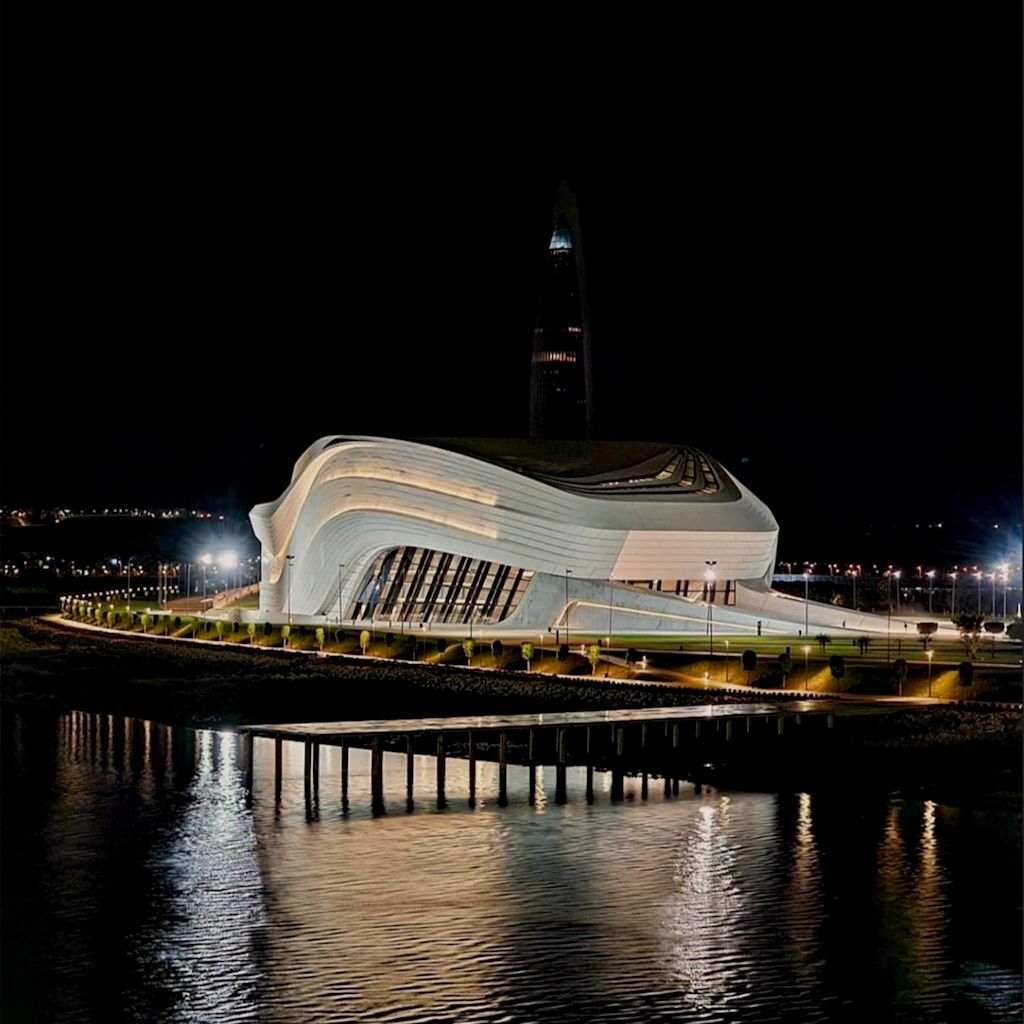
Set on the banks of the Bouregreg River, the Grand Theatre of Rabat is quietly becoming one of Morocco’s most striking modern landmarks. Designed by the late Zaha Hadid, the project brings a bold contemporary vision to the heart of the capital, reflecting Rabat’s growing identity as a city where heritage, design and modern living meet.
True to Zaha Hadid’s signature style, the building feels fluid and sculptural, almost as if it were shaped by the movement of the river itself. Its sweeping curves and flowing lines draw inspiration from Arabic calligraphy, while the geometric details inside reinterpret traditional Moroccan craftsmanship through a contemporary lens.
The main auditorium features patterns inspired by muqarnas — the intricate ornamental forms often found in Islamic architecture — reimagined in a futuristic and minimalist way. The result is both deeply rooted in Moroccan culture and unmistakably international.
The Grand Theatre of Rabat was imagined as part of a wider transformation of the Bouregreg Valley, connecting Rabat and Salé through a large-scale cultural and urban development vision led by Mohammed VI.
The complex includes an 1,800-seat indoor theatre, a large open-air amphitheatre for up to 7,000 guests, smaller performance spaces, creative workshops and panoramic dining areas overlooking the river. Around it, an entirely new waterfront district is taking shape, blending public spaces, culture, leisure and modern urban life.
And for the anecdote, The Grand Theatre of Rabat was not originally supposed to happen in Rabat. After Zaha Hadid lost a competition for an opera house project in Casablanca, Mohammed VI reportedly admired her proposal so much that he personally invited her to design a new theatre for Rabat instead. Rather than simply reusing the original concept, Hadid completely reimagined the project around the Bouregreg River and the relationship between Rabat and Salé.